Services & Solutions

Legionella & waterborne pathogen control

Legionella water testing and prevention programs that proactively control pathogens, safeguard health, and keep your facility compliant and operational.
bluw-wave
  • Reduce Legionella risk across your systems
  • Support ASHRAE 188 & AAMI ST108 compliance
  • Gain defensible water testing and reporting
Hidden risks, high stakes

Waterborne pathogens spread invisibly

Small control gaps create safety risks, unplanned downtime, and compliance failures that can spiral into costly crises for your facility.

Legionellosis Risk

Meeting ASHRAE 188 requirements is a complex and ongoing process. Without a dedicated water management program, gaps invite outbreaks that jeopardize safety, disrupt operations, and damage trust.

Compliance Pressure
Evolving standards require system improvements, structured monitoring, and clear documentation. Failing to meet requirements exposes facilities to violations, fines, or forced shutdowns.
Water Variability

Daily changes in water quality disrupt process performance, biofilm control, and system reliability. Contaminants like iron or sediments encourage microbial growth and weaken disinfection.

Operational Impact
Whether in healthcare, manufacturing, or commercial facilities, poor water quality can trigger equipment malfunctions, infections, or toxic residues. Failures erode credibility, increase costs, and undermine confidence in facility management. 

Stop outbreaks before they start

Every facility water system carries the risk of pathogen growth. Warm, stagnant conditions in tanks, piping, and devices allow Legionella and other bacteria to multiply. Once levels climb, they can move through the system, threatening safety, disrupting operations, and putting compliance at risk.

For the people responsible, the risk isn’t abstract. An outbreak can mean negative headlines, regulatory fines, or can expose organizations and facility leaders to significant regulatory, financial, and reputational consequences. It can compromise worker and patient health, damage reputation, and force costly shutdowns. Even without a crisis, leaders live with constant pressure, wondering if testing is sufficient, if the next audit will reveal gaps, or if unseen risks are quietly building.

CRB Water removes the uncertainty. We don't just deliver test results—we help you interpret them, identify the underlying causes, and implement corrective actions that reduce risk and strengthen your overall water management program.

Our certified experts build water management programs aligned with ASHRAE 188, and other industry standards, including AAMI ST108 for relevant healthcare applications. Whether it’s protecting patients, safeguarding production lines, or ensuring building safety, our proactive monitoring and rapid response protocols deliver more than compliance — they deliver peace of mind knowing your water systems are safe, resilient, and always audit-ready.

What We Do

Comprehensive Legionella & Waterborne Pathogen Protection

From proactive risk assessments to rapid emergency response, we deliver end-to-end pathogen control tailored to your facility’s water systems and compliance requirements.

Water Management Programs

water-management-prgrams-inside
Build Compliance Into Daily Practice

We develop programs aligned with ASHRAE 188 and support applicable AAMI ST108 required for healthcare facilities. These programs map your systems, define control measures, and document actions to help prevent outbreaks, maintain audit readiness, and support safe, consistent operations.

  • Site surveys and flow diagrams
  • Hazard analysis and control points
  • Verification and documentation tools

Water Testing & Monitoring

water-testing-monitoring-inside
Detect Risks Early

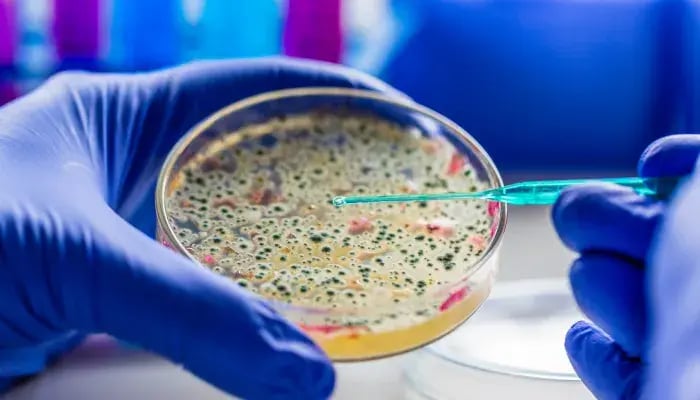
Legionella water testing helps detect contamination early—before it becomes a health or compliance issue—in cooling towers, potable water systems, and process equipment.

CRB Water provides testing for cooling towers, water systems, and storage tanks, focusing on high-risk conditions where bacterial growth is most likely. Results are reported in CFU/mL and interpreted against risk thresholds to guide corrective actions, such as disinfection or system adjustments, supporting alignment with ASHRAE 188 requirements.

What is Tested
  • Legionella pneumophila (primary disease-causing species)

  • Total Legionella species (when required)

Sampling Locations
  • Cooling towers

  • Hot and cold water systems
  • Storage tanks and distribution lines

Water Testing Methods
  • Culture testing – regulatory standard for viable bacteria

  • PCR testing – rapid detection for faster response


Legionella Prevention Programs

legionella-inside
Prevent Problems Before They Start

Legionella prevention programs focus on controlling conditions that allow bacterial growth in water systems. Variations in system flow, water quality, including temperature changes, sediment, and biofilm buildup, can weaken disinfection efforts and create conditions that support bacterial growth.

Core prevention strategies include:

  • Temperature control in hot and cold water systems
  • Routine flushing of low-use outlets to prevent stagnation
  • Primary oxidant testing
  • Biocide treatment in high-risk systems like cooling towers
  • Scheduled monitoring and verification testing

These programs rely on ongoing documentation to ensure control measures are effective and auditable. The goal is not only to reduce risk, but to maintain consistent water quality and system reliability across all facility operations.

Secondary Disinfection

Secondary-disinfection-inside
Defend Systems Long-Term

Advanced disinfection systems maintain a protective barrier throughout potable water networks. Our monochloramine, chlorine dioxide, and MIOX® onsite generation options reduce pathogen survival without costly chemical deliveries, protecting infrastructure and supporting sustainability goals.

  • Monochloramine generators
  • Chlorine dioxide systems
  • Onsite oxidant generation

Emergency Response & Remediation

emergency-response-remediateion
Fast Action When Issues Surface

Outbreaks demand immediate action. Our teams deploy pre-packaged disinfection kits, onsite investigations, and rapid PCR analysis to identify and contain risks fast. Whether in healthcare, manufacturing, or commercial facilities, we follow industry standards to restore safe operations with minimal downtime.

  • Pre-packaged disinfection kits
  • Onsite remediation
  • Industry-standard protocols

Training & Education

system-support-training-inside
Equip Your Team With Confidence

We deliver site-specific training for operators and staff, covering safety practices, green technologies, and compliance requirements. Education empowers your team to sustain program success long after implementation.

  • Operator and staff training
  • Green technology seminars
  • Compliance and safety education

ASHRAE 188 Compliance

compliance
Maintain Regulatory Compliance

Meeting ASHRAE 188 requirements is an ongoing process that requires a structured water management program to consistently identify and control Legionella risk, including:

  • System risk identification
  • Hazard analysis
  • Control measures (temperature, disinfection, flushing)
  • Routine monitoring and documentation


Benefits

What you gain from proactive waterborne pathogen protection

With CRB Water, facilities gain verifiable Legionella risk control, regulatory compliance support, and confidence that water systems are being actively monitored and managed. 

Key benefits of waterborne pathogen protection:
Lower Risk
Reduce risk through proactive water management, testing, prevention, and treatment strategies. 
Clean Compliance
Stay audit-ready with programs that align with ASHRAE 188, applicable AAMI ST108 requirements, and other industry standards, helping facilities maintain compliance and operate with confidence.
Operational Uptime
Avoid shutdowns and lost productivity by maintaining stable, safe water quality across your systems.
Audit Confidence
Maintain defensible records and documentation that withstand scrutiny from regulators and inspections.
Peace of Mind
Confidence that your water systems are actively monitored, controlled, and aligned with Legionella risk management and ASHRAE 188 requirements.
Benefits

Lorem ipsum dolor sit amet, consectetur labore et dolor dolore magna aliqua

Lorem ipsum dolor sit amet, consectetur adipiscing elit, sed do eiusmod tempor incididunt ut labore et dolore magna aliqua. Ut enim ad minim veniam, quis nostrud exercitation ullamco laboris nisi ut aliquip ex ea commodo consequat. Duis aute irure dolor in reprehenderit in voluptate velit esse cillum dolore

Lorem ipsum dolar sit amet


Extended Equipment Lifespan
Lorem ipsum dolor sit amet, consectetur adipiscing elit, sed do eiusmod tempor incididunt ut labore et dolore magna aliqua. Ut enim ad minim veniam, quis nostrud exercitation ullamco laboris nisi ut aliquip ex ea commodo consequat. Duis aute irure dolor in reprehenderit in voluptate velit esse cillum dolore
Extended Equipment Lifespan
Lorem ipsum dolor sit amet, consectetur adipiscing elit, sed do eiusmod tempor incididunt ut labore et dolore magna aliqua. Ut enim ad minim veniam, quis nostrud exercitation ullamco laboris nisi ut aliquip ex ea commodo consequat. Duis aute irure dolor in reprehenderit in voluptate velit esse cillum dolore
Extended Equipment Lifespan
Lorem ipsum dolor sit amet, consectetur adipiscing elit, sed do eiusmod tempor incididunt ut labore et dolore magna aliqua. Ut enim ad minim veniam, quis nostrud exercitation ullamco laboris nisi ut aliquip ex ea commodo consequat. Duis aute irure dolor in reprehenderit in voluptate velit esse cillum dolore
Extended Equipment Lifespan
Lorem ipsum dolor sit amet, consectetur adipiscing elit, sed do eiusmod tempor incididunt ut labore et dolore magna aliqua. Ut enim ad minim veniam, quis nostrud exercitation ullamco laboris nisi ut aliquip ex ea commodo consequat. Duis aute irure dolor in reprehenderit in voluptate velit esse cillum dolore
Connected Solutions

More Ways to Strengthen Your Safety Net

Extend protection with services that reinforce compliance, accelerate response, and provide ongoing visibility into water safety across your facility.
Ready to explore the right mix of services for your facility?
Industries

Legionella Control for Every Major Industry

From hospitals to power plants, we adapt Legionella control programs to the risks, regulations, and operating realities unique to your industry.
Healthcare
We support Legionella risk management and applicable AAMI ST108 requirements, helping protect patients and maintain audit readiness.
Pharmaceutical
Purity is non-negotiable. Our programs safeguard water used in production, ensuring quality and compliance that protect both products and brand reputation.
Food & Beverage
Pathogen control protects product integrity, prevents shutdowns, and supports audits from regulators and corporate buyers. We help keep your brand safe on every line.
Commercial & Institutional
Universities, hotels, convention centers, and offices rely on safe water for occupants and guests. We deliver consistent risk management across large, complex systems.

A simple plan to protect your uptime

step 01

Talk to an expert

Connect with a water treatment expert who understands your industry, your systems, and the risks you face. Share your goals and challenges, and get expert insights from day one.
step 02

Get a custom program

Receive a treatment plan tailored to your facility, combining the right chemistry, equipment, and monitoring to keep your operations safe, efficient, and compliant.
step 03

Keep running with confidence

Stay ahead with fast delivery, proactive reporting, and continuous optimization. Your systems run reliably and disruption-free, while you focus on running your business.
Legionella & Waterborne Pathogens FAQs

Frequently Asked Questions

How do you test for Legionella?

Legionella testing involves collecting water samples from building systems such as cooling towers, hot and cold water lines, and storage tanks. Samples are analyzed using laboratory culture methods or PCR testing to detect and quantify Legionella bacteria.

How often should Legionella testing be done?

The frequency of Legionella testing depends on the type of facility, system complexity, and risk level. High-risk environments such as cooling towers and healthcare facilities typically require routine monitoring as part of an ongoing water management program.

What temperature kills Legionella?

Water temperatures of 140°F (60°C) or greater are commonly used for thermal disinfection, although effectiveness depends on exposure time and system conditions.

What is ASHRAE 188?

ASHRAE 188 is an industry standard that outlines how to design and maintain water management programs to reduce the risk of Legionella growth in building water systems. It includes risk assessment, control measures, monitoring, and documentation requirements.

What triggers corrective action in a water management program?

Corrective action is triggered when test results exceed action thresholds or when monitoring shows disinfectant levels fall outside required ranges. Our programs define clear escalation steps.

What documentation do you provide for audits?

We maintain audit-ready logs, corrective action records, and sampling data. Our reporting systems provide defensible documentation that satisfies regulators and accreditation bodies.

What disinfection technologies do you provide?

We implement monochloramine, chlorine dioxide, and MIOX® onsite generation, each selected based on your system requirements. These methods maintain residual protection while supporting sustainability goals.

What happens if we face an outbreak or violation?

Our team offers emergency response services, including remediation protocols and disinfection kits, to restore safety quickly and get systems back on track.

How do you support emergency outbreak response?

We mobilize rapid response teams with pre-packaged kits, onsite investigation, PCR testing, and remediation protocols following CDC and OSHA standards. Our goal: restore safe operations quickly.

Why are cooling towers considered a high-risk environment for Legionella?

Cooling towers are considered high risk because they provide the warm water, nutrients, and airflow that allow Legionella bacteria to grow and become aerosolized. Without proper water treatment, monitoring, and maintenance, contaminated droplets can spread beyond the system and expose building occupants or the surrounding community. A proactive water management program helps reduce this risk through routine testing, disinfection, and ongoing system control.

What is Legionella and why does it matter?

Legionella is a type of bacteria naturally found in freshwater that can grow in building water systems under favorable conditions. If people inhale water droplets containing the bacteria, they can develop Legionnaires' disease, a serious form of pneumonia. Because the illness can be severe—particularly for older adults and immunocompromised individuals—facilities must actively manage water systems to reduce risk.

Have additional questions? Get in touch with us - we are happy to help.

Protect your systems with peace of mind

Downtime, outbreaks, and compliance failures aren’t risks you can ignore. With CRB Water, you get proactive programs, expert support, and audit-ready confidence that keeps risk under control.